Media and international organization visas, including the I visa for foreign media representatives and the G visa for international organization staff, offer nonimmigrant pathways for journalists, diplomats, and related professionals to work in the U.S.
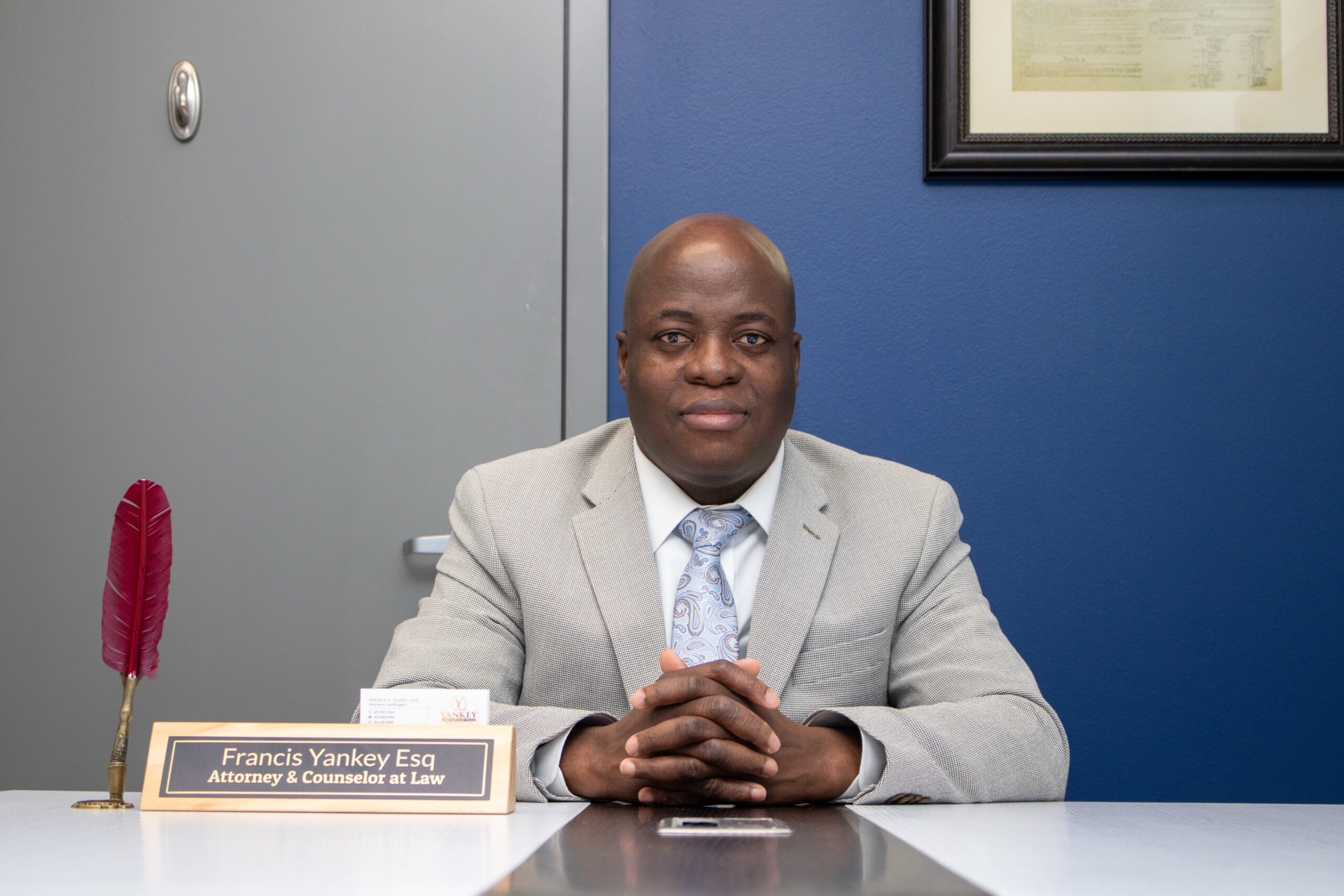
At Yankey Law Group, PLLC, Nashville-based immigration attorney Francis Yankey, Esq., assists clients with I and G visa applications, providing reliable support.
As of October 23, 2025, USCIS reports average processing times of 1-2 months for I visas, with G visa timelines varying by organization notification.
Disclaimer: This information is for informational purposes only and does not constitute legal advice. Immigration laws are complex and ever-changing. For personalized assistance, contact Attorney Francis Yankey at 615-530-5360 for a confidential consultation.
The I visa is designed for representatives of foreign media outlets, such as journalists, filmmakers, and editors, who are engaged in gathering news or information for audiences outside the U.S.
Both are governed by the Immigration and Nationality Act (INA) and provide temporary, multiple-entry status.
I Visa (Foreign Media) Eligibility and Requirements
The I visa is for foreign media professionals working for outlets based outside the U.S., such as newspapers, television networks, or online news platforms, who are reporting or producing content for foreign audiences.
Requirement | Details |
Employment | Full-time employment with a foreign media outlet; freelancers with a valid contract also qualify. |
Activities | Gathering news, conducting interviews, or producing informational content for foreign audiences; excludes commercial film production. |
Intent | Temporary stay with no immigrant intent under INA Section 214(b); must maintain foreign residence. |
Duration | Up to 5 years initially; extensions granted in 5-year increments as long as employment continues. |
Special cases include coverage of international events or documentaries, where the focus must remain on journalistic or informational purposes. Dependents (also I status) receive the same duration but are not authorized to work in the U.S.
The G visa is for individuals affiliated with international organizations, with categories reflecting their role and level of responsibility.
Category | Key Eligibility Requirements |
G-1 | Permanent representatives or officials of foreign governments to international organizations. |
G-2 | Temporary representatives attending meetings or events of international organizations. |
G-3 | Representatives of governments not recognized by the U.S. or not UN members. |
G-4 | Officers or employees of international organizations (e.g., UN staff, IMF employees). |
G-5 | Personal employees or attendants of G-1 to G-4 visa holders. |
Special cases include varying levels of diplomatic immunity (e.g., G-1/G-2 have full immunity, G-4 partial), and dependents may apply for Employment Authorization Documents (EAD) in some cases (e.g., G-4 spouses).
Eligibility requires official appointment or employment by a recognized international organization, with notification to the Department of State (DOS) or USCIS.
Common documentation includes a valid passport, completed DS-160 form, and a passport-sized photo.
For I visas, include media credentials (e.g., press card), an employment contract or letter from the foreign outlet, and evidence of journalistic activities.
For G visas, submit an official letter from the international organization certifying the role, along with any DOS notification.
Document Type | Core Documents | I Specific | G Specific |
Examples | Passport, DS-160, photo | Media credentials, employment contract | Org letter, DOS notification |
The application process varies slightly by visa type but follows a consular approach:
Timeline: I visa processing typically takes 1-2 months; G visas may be faster with organizational support (often 2-4 weeks), though delays can occur if DOS verification is needed.
Navigating the I and G visa processes involves complex regulations and strict requirements, making professional guidance essential.
We strongly advise against attempting this process alone, particularly with consular interviews and extensions.
Yankey Law Group can assist clients—whether foreign media representatives or international organization staff—through the visa application process with dedication, ensuring compliance and stability for your media or diplomatic plans.
Yankey Law Group
The I visa is initially granted for up to 5 years, with unlimited extensions available as long as the individual remains employed by a foreign media outlet and continues journalistic activities.
G visas are issued for the duration of the assignment or employment with the international organization, with extensions granted upon reappointment or continued service, subject to organizational notification.
Work authorization for I visa holders is limited to activities for the foreign employer (no U.S. payroll); G visa holders are authorized to work for their designated organization, with G-4 spouses potentially eligible for EADs. Extensions require updated documentation and consular approval.
Dependents of I and G visa holders receive the same visa classification (I or G-1 to G-5, matching the principal). They are granted the same duration of stay and multiple-entry privileges.
I dependents are not authorized to work in the U.S. G dependents may work with restrictions: G-1, G-2, and G-3 dependents typically cannot work unless employed by the mission, while G-4 dependents (e.g., UN staff spouses) can apply for an EAD to work for any U.S. employer.
All dependents may study without requiring a separate student visa.
Common issues include insufficient proof of media employment or activities for I visas, or lack of organizational recognition for G visas.
Denials may occur under INA Section 214(b) if immigrant intent is suspected, or due to incomplete documentation or failure to meet role-specific criteria.
To avoid, provide detailed employment records (I), secure official organization letters (G), and address any Requests for Evidence (RFEs) promptly.
Early consultation with an attorney can help navigate complex cases, such as G-5 attendant eligibility.
Up to 5 years initially, with 5-year extensions.
Yes, with an EAD approved by USCIS.
Full diplomatic immunity for permanent representatives.
No, work is restricted to foreign employer activities.
Notify DOS/USCIS with an updated assignment letter.
Reapply with stronger evidence or explore alternatives.
Yes, with a valid contract from a foreign outlet.
Navigating the I and G visa processes involves complex regulations and strict requirements, making professional guidance essential.
We strongly advise against attempting this process alone, particularly with consular interviews and extensions.
Yankey Law Group can assist clients—whether foreign media representatives or international organization staff—through the visa application process with dedication, ensuring compliance and stability for your media or diplomatic plans.
Yankey Law Group